Martina HattaluA tradition of education since 1869
Slovak partner
Grammar School of
Martin Hattala
A state secondary school with general, IT-focused, eight-year and Slovak–Spanish bilingual programmes.
Slovak–Polish youth project
Exploring our shared past.
Finding our voice in the present.
Young people from Slovakia and Poland explore the history of 1939–1945 to deepen their understanding of democracy, human rights and the responsibilities of citizenship today.

Two schools. One shared conversation.
Trstená, Slovakia Jabłonka, PolandInside VOICES
Our purpose, our people
and the work we share.
Memory, democratic values and a new generation of active citizens.
02 / PEOPLEMeet the schools in Trstená and Jabłonka behind VOICES.
03 / EXPERIENCEHistorical research, student exchanges and civic engagement.
04 / IN PICTURESDiscover the places and visual identity of our partnership.
05 / ON SCREENA space for student films and project recordings.
06 / IDENTITYThe VOICES identity, partner logo and funding acknowledgement.
07 / SHARINGA space for sharing project outcomes with our communities.
08 / CONNECTGet in touch with the participating schools.
01 / The Project
VOICES — Vision of Integrity, Civic Engagement and Solidarity
The project seeks to enhance democratic awareness and foster active civic engagement among young people from Slovakia and Poland by exploring their common history during the 1939–1945 period. It aims to deepen students’ understanding of democratic values, human rights and the ethical responsibilities of citizenship in contemporary Europe.
VOICES brings together Gymnázium Martina Hattalu in Trstená and the Westerplatte Heroes School Complex in Jabłonka. Through a shared learning environment, students connect historical reflection with the choices and responsibilities of civic life.
Joint research into the 1939–1945 experience of Slovak and Polish communities through sources, testimonies and places.
Consider democratic values, human rights and the ethical responsibilities of citizenship in contemporary Europe.
Connect learning with active civic engagement and a shared sense of responsibility.
02 / Partners
Two school communities from the Orava–Orawa borderland, brought together through VOICES. Discover their history, educational programmes and school life in the profiles below.
Slovak partner
A state secondary school with general, IT-focused, eight-year and Slovak–Spanish bilingual programmes.

Polish partner

A school community with a shared Polish–Slovak heritage and general, technical and vocational education.
Trstená, Slovakia / Slovak partner
Grammar School of Martin Hattala in Trstená
Gymnázium Martina Hattalu is a state secondary school located in Trstená, northern Slovakia, close to the Polish border.
The school has a long and distinguished educational tradition dating back to 1869, when the first grammar school in the Orava region was established in the town. It soon became an important centre of education and cultural life in northern Slovakia.
Throughout its history, the school experienced several significant changes and challenges. Its original building was damaged by a major fire in 1912, and the school was temporarily closed between 1934 and 1938. It was re-established in 1938 and reopened in January 1939. During the Second World War, the school building was occupied by German troops, and the school collections and facilities were severely damaged. Teaching resumed in the renovated building in October 1945.
In 1969, the school became a four-year grammar school. On 28 August 1971, it officially adopted the name Gymnázium Martina Hattalu in honour of Martin Hattala, a prominent Slovak linguist and native of Trstená.
The school provides general upper-secondary education. Approximately 500 students attend on a full-time basis. Its educational programmes include:
The bilingual programme is a distinctive part of the school. In the 2026/2027 school year, one first-year bilingual class opens with 30 students. It is officially classified as a five-year Slovak–Spanish bilingual programme, with Spanish as the main foreign language of instruction.
The programme provides intensive language education and prepares students for studying and communicating in a foreign-language environment.
During the first year, students receive 20 lessons of Spanish per week, taught by Spanish lecturers and Slovak teachers. They also acquire basic terminology in natural sciences in preparation for bilingual education.
From the second to the fifth year, mathematics, physics, biology and chemistry are taught in both Spanish and Slovak, with a strong emphasis on the Spanish-language component. Students also study English for three lessons per week, aiming at B1/B2 level according to the Common European Framework of Reference for Languages (CEFR).
Students can take their final examination in Spanish at C1 level, while English can be taken at B1 or B2 level, depending on their programme and choice.
Foreign-language education is an important component of the school’s educational profile. In addition to English and Spanish, students in other programmes can choose German or Spanish as a second foreign language.
The school has experience with international cooperation and Erasmus+ projects, including Students against Extinction and Education to Entrepreneurship in European School.
The school places considerable emphasis on science, technology and digital competences. The four-year programme includes an IT-focused track, while the eight-year programme provides additional teaching in Informatics and natural sciences.
The school’s profile places it among Slovakia’s top 10 primary and secondary schools in the area of digital skills.
The school has approximately 43 teachers, including Spanish lecturers, as well as a school psychologist and non-teaching staff. It cooperates with the Centre for Counselling and Prevention in Tvrdošín. A social pedagogue works at the school one day a week, providing career guidance and coaching for students.
An active School Council, Parents’ Council and Student Council reflect the school’s emphasis on student participation and cooperation within the school community.
The school’s development concept focuses on:
Jabłonka, Poland / Polish partner
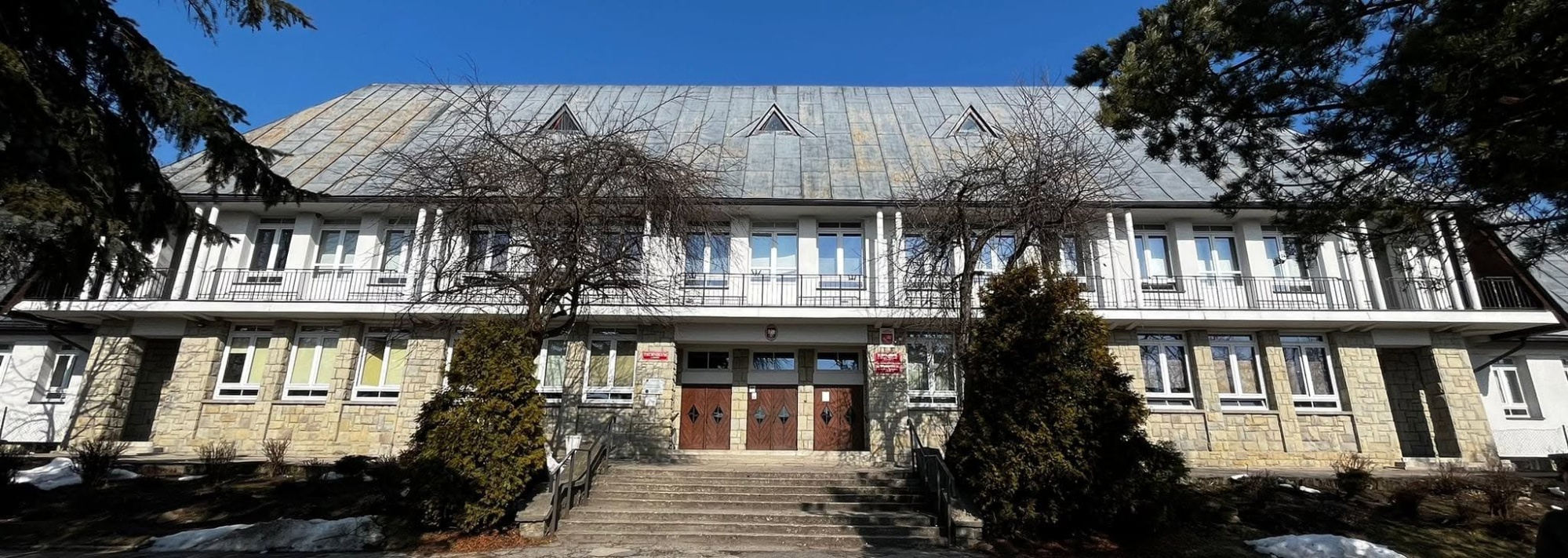
Zespół Szkół im. Bohaterów Westerplatte w Jabłonce

The school has existed since 1 September 1951. Its building at 3 Podhalańska Street was constructed between 1954 and 1959 to serve secondary education in the Orawa region. Initially, the school was intended for the Slovak national minority and was known as the General Secondary School with Slovak as the Language of Instruction in Jabłonka.
On 1 September 1956, a General Secondary School with Polish as the Language of Instruction was established alongside it. Until the end of the first semester of the 1958/1959 school year, the two schools were housed in separate buildings rented from the Urbarial Community and Primary School No. 1 in Jabłonka. They were managed by a single school administration.
The merger and full integration of the two schools took place at the beginning of the second semester of the 1958/1959 school year, when students and teachers moved into the new building. The school was officially named the General Secondary School with Polish and Slovak as the Languages of Instruction in Jabłonka.
From the 1966/1967 school year, due to an insufficient number of applicants, classes with Slovak-language instruction were no longer organised for all students. Slovak was taught on a voluntary basis.
On 24 September 1966, as part of the celebrations of the Millennium of the Polish State, the school’s 15th anniversary and the 400th anniversary of Jabłonka, the school received the Badge of the Millennium of the Polish State for its educational achievements. It was also given the name Heroes of Westerplatte and received its school flag.
From that time until 1990, it was known as the General Secondary School named after the Heroes of Westerplatte in Jabłonka. The school is a member of the Westerplatte Schools Club.
On 27 May 1999, by resolution of the Nowy Targ County Council, the School Complex was established. It consisted of the General Secondary School, the Profiled Secondary School and the Technical Secondary School offering education in the profession of Commercial Technician.
By decisions of the Nowy Targ County authorities, the Secondary School for Adults was established on 27 March 2000, followed by the Post-Secondary Vocational School for Adults on 22 February 2001. On 1 September 2002, the Agricultural Basic Vocational School was incorporated into the School Complex.
The School Complex consists of the following institutions:
Liceum Ogólnokształcące.
The Technikum offers training in the following professions:
Branżowa Szkoła Rolnicza I Stopnia.
Centrum Kształcenia Zawodowego.
03 / Activities
The project connects historical inquiry with dialogue and active citizenship.
Explore the 1939–1945 experience of Slovak and Polish communities through primary sources, testimonies and places.
Learn together through online and in-person exchanges, bilingual source materials and discussion.
Connect democratic values and human rights with public-facing civic action projects.
Activity reports
Reports and dates from VOICES activities have not been published yet.
Read about the project →04 / Gallery
Our partner school in Jabłonka and the visual identity of VOICES.
Photographs from project activities will be added as they become available.
05 / Videos
Student films and recordings from the project.
Project videos will appear here when they are available.
Explore the gallery →06 / Promotion
Project identity, partner branding and funding acknowledgement.
Project identity
Vision of Integrity, Civic Engagement and Solidarity

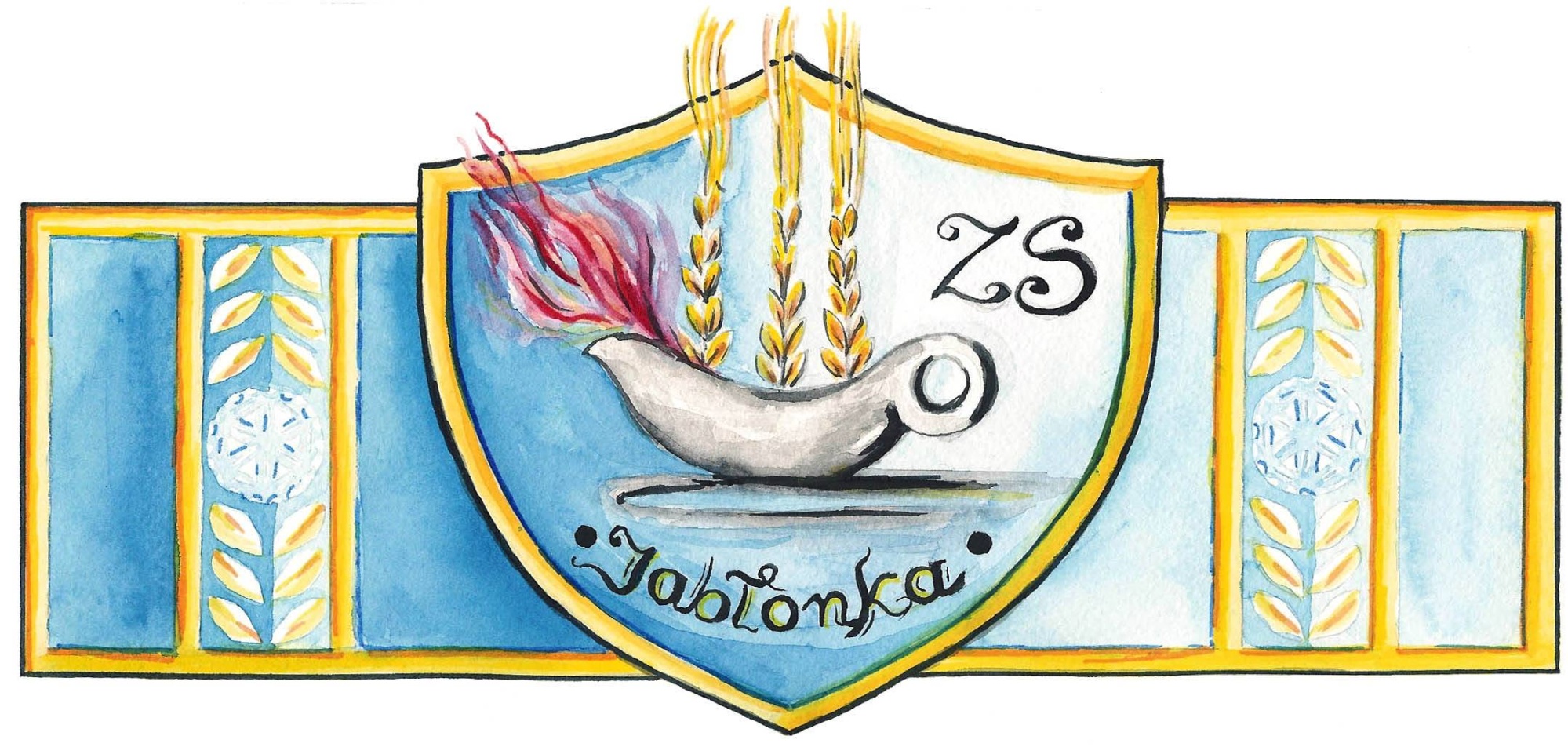
Partner school
The emblem of the Westerplatte Heroes School Complex.
Download logo JPG ↓
Project support
This project is supported by the International Visegrad Fund.
Download logo JPG ↓07 / Dissemination
Sharing the outcomes of VOICES with schools and the wider community.
Links to project presentations, publications and shared outcomes will appear here when available.
Our school communities
08 / Contact
For enquiries about VOICES, contact a participating school.
Slovakia / Trstená
Grammar School of Martin Hattala
Železničiarov 278Poland / Jabłonka
Westerplatte Heroes School Complex
ul. Podhalańska 3